Are Brands the New Commissioners?
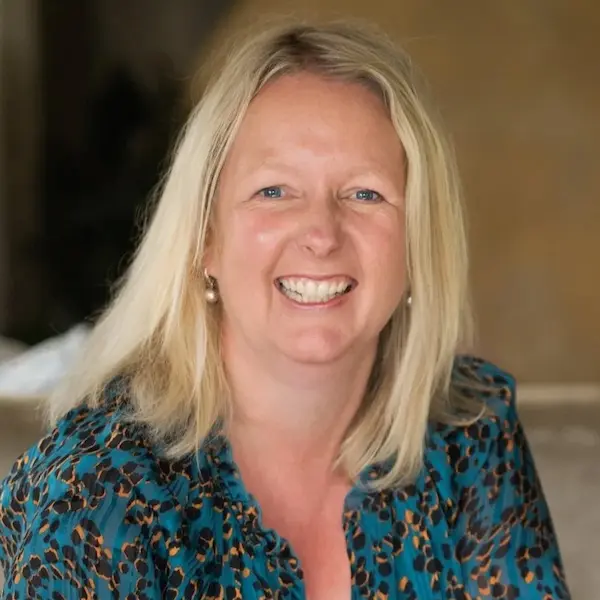
Victoria Holden
October 22, 2026 · 5 min read
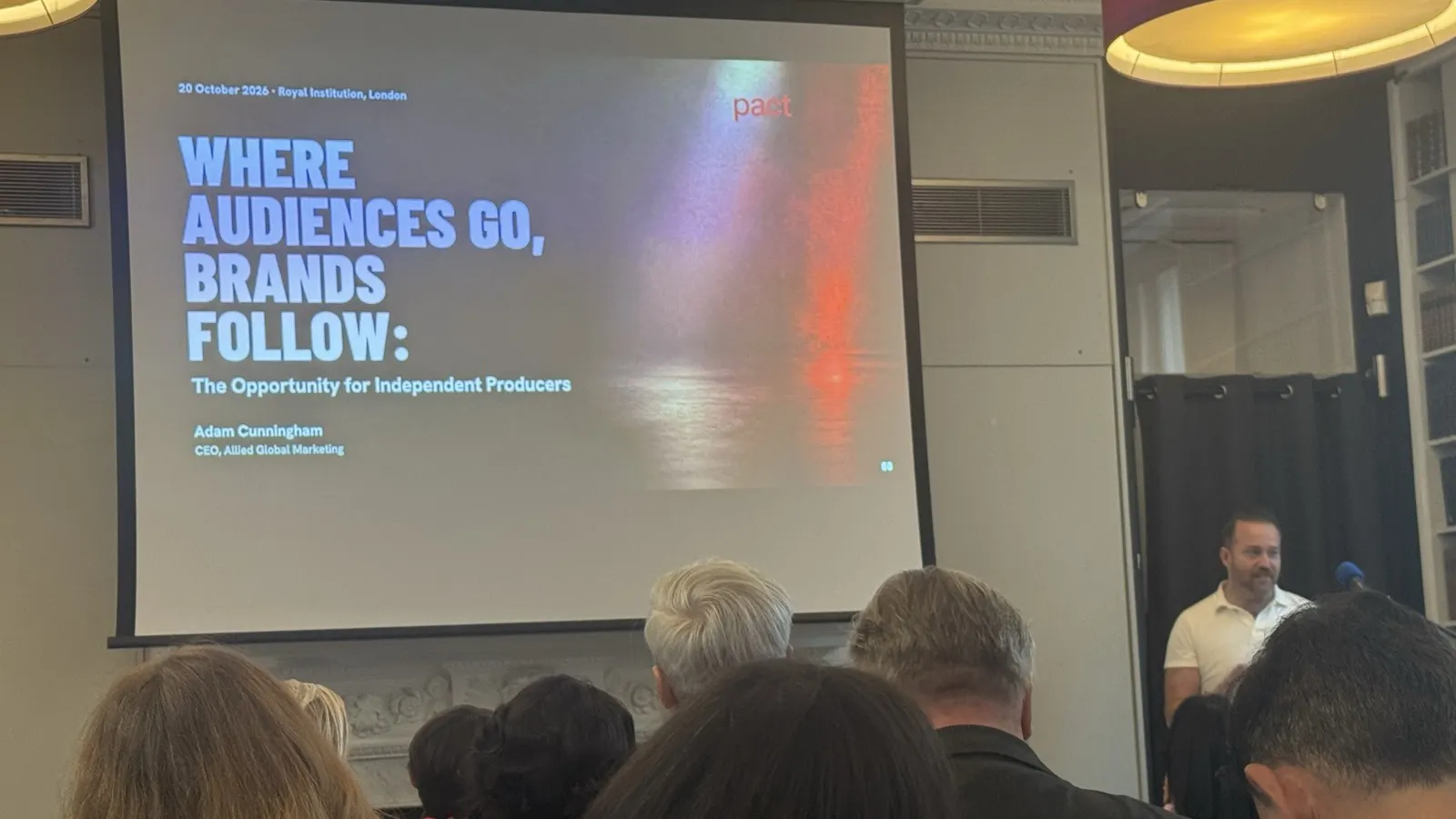
I went to Pact’s brands event this week, which was packed full of information and great access to brands, agencies and case studies.
I came away with a clear sense that the business model most indies were built on has shifted under our feet, and that the companies who move now will be the ones still standing in five years.
It was one of the most useful industry days I have had in a long time. Not because anyone offered easy answers, but because the room was honest about the problem and offered useful tips on how to move into a branded content business.
The commission is no longer enough
For most of us, the model has been simple. Develop ideas, pitch them to channel commissioners, win the occasional green light, and build the business around that. It was never easy, but it worked.
That model is under real pressure. Budgets are tighter. Slots are fewer. Commissioners are more cautious and take longer to say yes. Even good ideas with strong access can sit in limbo for months. An indie that depends entirely on broadcast commissions is an indie living on borrowed time.
Nobody at the event was saying broadcast TV is finished. It isn’t. Instead, the focus was on how to work with brands and commissioners on partnerships, and how to open up exciting new revenue streams.
Where the opportunity is
The message from the day was that the work is still there. It has just moved.
- Brands. More brands want to tell real stories, with real people, made to a broadcast standard. They are not looking for adverts. They are looking for documentary craft, and that is exactly what factual indies have.
- Digital. Audiences, especially younger ones, are on YouTube and social platforms as much as on linear TV. Digital-first content gives indies a way to reach them directly, test ideas fast and build an audience they own.
- Podcasts. Audio is a natural fit for factual producers. The research, the interviews, the storytelling instinct all transfer. Production costs are a fraction of TV, and podcasts open the door to brand partnerships too.
The skills that win commissions – finding the story, securing access, making it land – are the same skills these markets need. We are better placed than we think.
Exciting, and daunting
I’ll be honest. It’s an exciting time, but it’s also daunting.
New revenue streams mean new clients with different expectations, new formats with different rules and new pitching processes to learn. A brand marketing director does not think like a channel commissioner. A podcast network does not budget like a broadcaster.
And most indies are trying to do all of this with the same small team that is already stretched across development and production. You cannot add three new markets to your slate without something giving.
Doing more with less
That’s the part of the conversation I think gets missed. Diversifying is not just about finding new clients. It’s about finding the bandwidth to serve them.
Every hour a producer loses to paperwork, spreadsheets and scrolling through footage is an hour not spent pitching to a brand or shaping a podcast series. Working smarter is no longer optional. It is the thing that frees up room to grow.
This is exactly why MotionHub exists.
What MotionHub gives you
MotionHub started life inside Chalk Productions. We were a small team running a packed slate and we wanted a tool that matched the way factual teams really work. Today it supports hundreds of people across the industry.
The benefits:
- Answers from your footage. Ask a question in plain English and MotionHub points you to the exact interview moment, by meaning rather than keyword.
- Transcripts done for you. Upload your material and it is ready to read and explore, with no one stuck typing up timecodes.
- Money under control. Spending, supplier costs and paperwork live together, so you can see where every project stands at a glance.
- Every project on one screen. Broadcast docs, branded films, digital series and podcasts can sit alongside each other, from early idea to delivery.
- A shared home for research. Collect leads, contributors and background on boards the whole team can see and add to.
- Designed by producers. It comes from people who make factual content, so it fits the job instead of forcing you to fit it.
Smart tools, human stories
Plenty of people in our industry are still wary of AI. That caution makes sense. But for small companies stretching into new markets on lean budgets, the right tools are a lifeline. They take on the repetitive jobs so people can focus on ideas, relationships and storytelling.
That is how indies will win brand work, grow digital audiences and launch podcasts without burning out their teams.
So, are brands the new commissioners?
Not quite. But they are fast becoming a second front door for indies with great stories to tell. The companies that learn to speak both languages, broadcast and brand, will have more ways to get their ideas made.
If you’re thinking about brands, digital or audio but unsure where the hours will come from, take a look at MotionHub and see how much time you could get back.
👉 Book a demo and see how it could work for your next production.